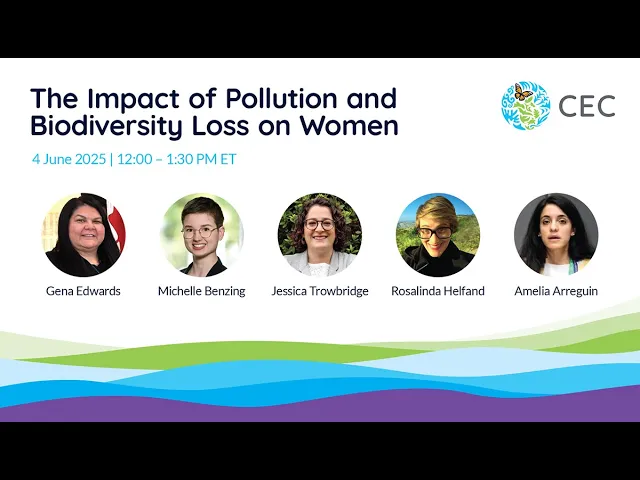
Women’s Health and Pollution: A Silent Risk Across the Lifespan
Environmental pollution is one of the most significant yet underrecognized threats to women’s health worldwide. From air contamination and water pollution to chemical exposure in everyday products, women face unique and sometimes heightened risks due to biological, hormonal, and social factors. Pollution affects women not only as individuals, but also across critical life stages such as puberty, pregnancy, motherhood, and menopause, making awareness and prevention essential.
Air Pollution and Women’s Respiratory Health
Air pollution is a major contributor to respiratory and cardiovascular disease in women. Fine particulate matter (PM2.5), nitrogen dioxide, and ozone penetrate deep into the lungs and enter the bloodstream, triggering inflammation and oxidative stress. Women living in urban or industrial areas often experience higher rates of asthma, chronic bronchitis, and reduced lung function.
Indoor air pollution poses an additional risk. In many regions, women spend more time indoors and may be exposed to cooking smoke, cleaning chemicals, and poor ventilation. Long-term exposure to these pollutants increases the risk of chronic respiratory conditions and cardiovascular disease.
Hormonal Disruption and Endocrine Health
Women’s hormonal systems are particularly sensitive to environmental toxins known as endocrine-disrupting chemicals (EDCs). These substances interfere with estrogen, progesterone, and thyroid hormones, which regulate metabolism, fertility, mood, and immune function.
Common sources of EDCs include:
Plastics containing BPA and phthalates
Pesticides and herbicides
Cosmetics and personal care products
Industrial chemicals and solvents
Hormonal disruption has been linked to early puberty, irregular menstrual cycles, polycystic ovary syndrome (PCOS), endometriosis, thyroid disorders, and menopausal symptoms. Because hormones fluctuate throughout a woman’s life, repeated exposure to pollutants can have cumulative effects.
Reproductive Health, Pregnancy, and Fetal Development
Pollution poses serious risks to women’s reproductive health and pregnancy outcomes. Exposure to air pollution, heavy metals, and chemical toxins has been associated with:
Reduced fertility
Increased risk of miscarriage
Preterm birth
Low birth weight
Developmental delays in infants
During pregnancy, pollutants can cross the placenta, affecting fetal development. Even low-level exposure may influence the baby’s immune system, neurological development, and long-term health. This makes environmental protection especially critical during pregnancy and breastfeeding.
Cardiovascular Disease and Inflammation
Heart disease is the leading cause of death among women, yet it is often underdiagnosed. Pollution accelerates cardiovascular damage by increasing inflammation, raising blood pressure, and damaging blood vessels.
Women exposed to long-term air pollution have a higher risk of heart attacks, stroke, and hypertension. Hormonal changes during menopause further increase vulnerability, as estrogen’s protective effect on blood vessels declines, making pollution-related damage more severe.
Pollution and Women’s Mental Health
Emerging research suggests that pollution may also affect mental and neurological health. Long-term exposure to air pollutants and heavy metals has been linked to increased rates of anxiety, depression, cognitive decline, and neuroinflammation.
Women are more likely than men to experience mood disorders, and pollution-related stressors may worsen symptoms. In addition, environmental noise and light pollution disrupt sleep patterns, further affecting emotional well-being and hormonal balance.
Skin Health and Accelerated Aging
The skin, the body’s largest organ, is constantly exposed to environmental pollutants. In women, pollution contributes to premature skin aging by damaging collagen, increasing pigmentation, and promoting inflammation.
Pollutants can worsen conditions such as acne, eczema, rosacea, and psoriasis. Over time, oxidative stress from pollution accelerates wrinkles, dullness, and loss of skin elasticity. Since skin health is closely linked to self-esteem and emotional well-being, these effects can have psychological consequences as well.
How Women Can Reduce Pollution Exposure
While eliminating pollution entirely is impossible, women can take practical steps to reduce exposure and protect their health:
Improve indoor air quality with ventilation and air purifiers.
Choose fragrance-free, non-toxic cleaning and personal care products.
Avoid heating or storing food in plastic containers.
Wash fruits and vegetables thoroughly to reduce pesticide residue.
Limit outdoor exercise during high-pollution hours.
Use protective masks in heavily polluted environments.
Maintain a diet rich in antioxidants to combat oxidative stress.
Stay informed about local air quality and environmental risks.
Conclusion
Pollution is not just an environmental issue—it is a women’s health issue that affects hormones, fertility, heart health, mental well-being, and aging. Because women experience pollution differently at each stage of life, awareness and preventive action are essential. By making informed choices and advocating for cleaner environments, women can protect not only their own health but also the health of future generations.